



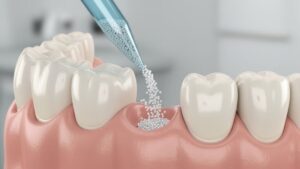
Dental implants need dependable support from the jawbone. Therefore, if your jaw has some of its density or volume, your dentist may recommend a dental bone graft before your implant placement surgery. This procedure adds bone material to the area that needs reinforcement, thereby giving your body a framework for building new, stronger bone over time. If you have been told that you need a bone graft, it is natural to have questions about what to expect as you heal. This blog post offers a realistic preview of the road ahead.
How Long Does Recovery Take?
Your personal recovery timeline will depend on factors such as the size of the graft, your overall health, and how closely you follow your post-operative instructions. In general, the first phase of healing lasts about one to two weeks. During that time, swelling, tenderness, and discomfort should gradually improve. Your soft tissue should heal, and you should not experience any lingering pain.
The deeper healing process takes longer. Beneath the gums, the grafted material must integrate with your jawbone, and that can take several months. Your dentist will monitor your progress at follow-up visits and let you know when the site is ready for a dental implant. (In some cases, an implant can be placed during the same appointment as the graft, but many patients need to wait a few months between procedures.)
Help Your Graft Heal Properly
Your adherence to post-op instructions can do a lot to support a healthy and complication-free recovery process. Your dentist will likely advise you to:
- Take all prescribed medications exactly as directed to control discomfort and lower the risk of infection.
- Keep your mouth clean by brushing gently around the surgical area and using any recommended antimicrobial rinse.
- Choose nutritious foods that provide the vitamins, minerals, and protein your body needs for healing.
- Stick with soft foods while your gums are tender, then return to a more normal diet only when your dental team says it is safe.
- Avoid smoking, vaping, and alcohol because they can interfere with healing and increase the chance of problems.
- Rest, get enough sleep, and avoid strenuous activity until you have been cleared to resume it.
- Use a cold compress as instructed to help manage swelling during the early stage of recovery.
Know When to Call Your Dental Team
Most bone graft recoveries are uneventful, but you should still know which symptoms deserve attention. Contact your dentist or oral surgeon if you notice:
- Pain, swelling, or bleeding that seems excessive or does not improve as expected.
- A fever that persists, especially if it is accompanied by other signs of infection.
- A loose, shifting, or unstable feeling near the grafted area.
Even if you are not sure whether something is wrong, call your dentist if you have any concerns. It is better to be safe than sorry!
A dental bone graft can play a major role in your tooth replacement journey. Talk to your care team to learn more about the procedure and what you can expect from it.
Meet the Practice
At Vero Beach Dental Implants at Ocean Oaks, our team specializes in tooth replacement with dental implants. We combine state-of-the-art technology with advanced training and sharp attention to detail. Bone grafting is one of the services we offer. If you are ready to rebuild your smile, we would be happy to answer your questions during a consultation. To request an appointment, contact us at 772-205-6003.